
Video games offer an incredible variety of styles and gameplay experiences. Over time, distinct genres have emerged, each providing unique challenges and interactive features. Game genres help players quickly understand the type of experience a game offers. For example, survival games like DayZ have captivated players with their intense, immersive gameplay — and tools like the Best DayZ Hacks can enhance the experience for those looking for an edge. This guide explores the most popular video game genres, their subgenres, and notable examples.
1. Adventure games
Adventure games prioritize storytelling, exploration, puzzles, and inventory management over action. Players progress through narratives at their own pace, often via point-and-click interfaces or 3D environments. Puzzles test logic and resourcefulness.
2. Action games
Action games challenge reflexes, hand-eye coordination, and reaction time. These fast-paced games often feature combat, explosions, and epic moments. Subgenres include shooters, fighting games, and hack-and-slash.
3. Sports games
Sports games allow players to experience their favorite sports, either on the field or as a manager. These games replicate professional rules and gameplay, with varying levels of realism. Management modes let players build teams and compete for championships.
4. Simulation games
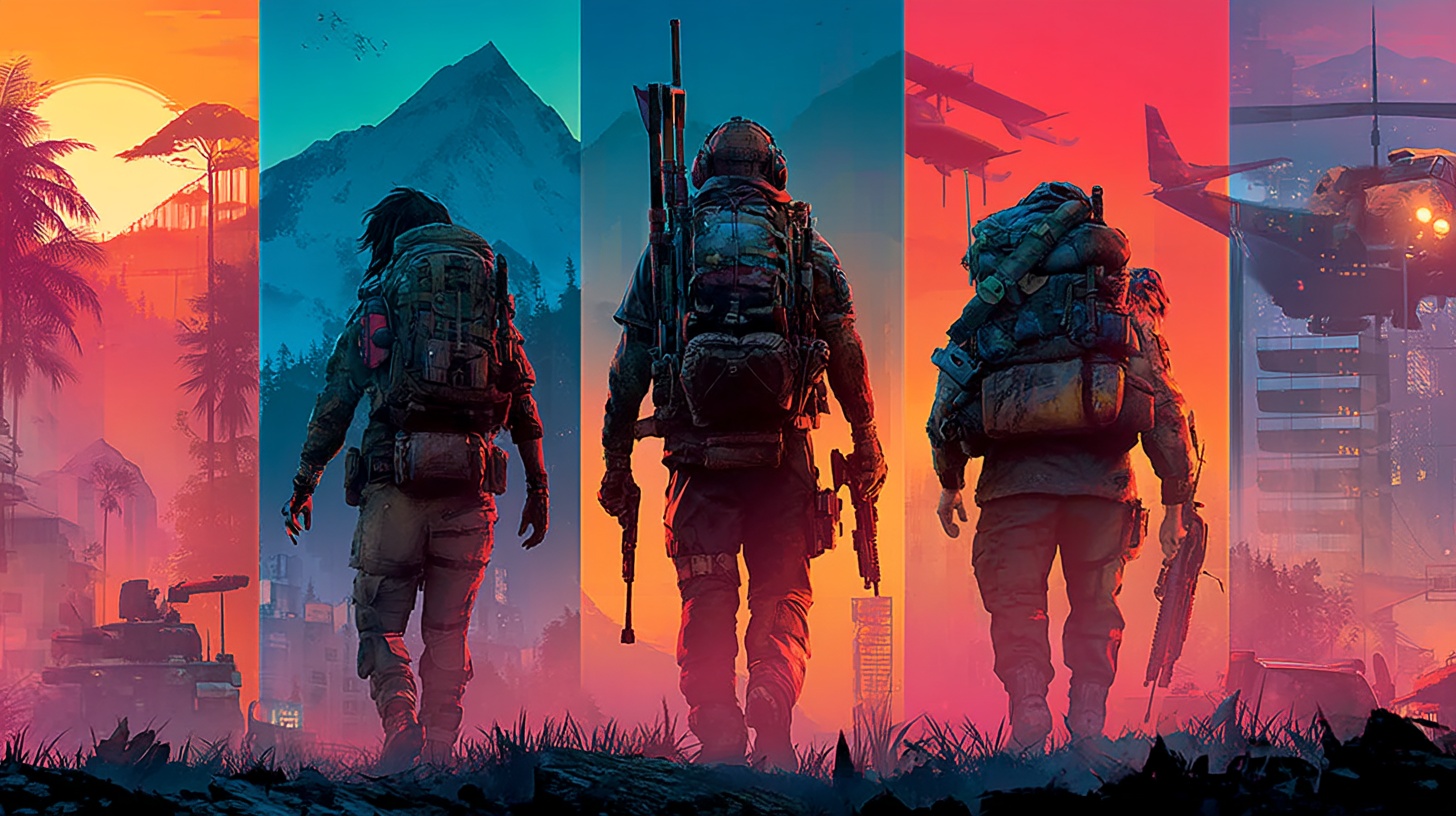
Simulation games mimic real-world activities, from piloting vehicles to running businesses. Some focus on realism, while others prioritize accessibility and fun with creative game designs. Popular themes include management, construction, vehicles, and sports.
Every game ultimately finds its dedicated fan base, regardless of the genre. Just as some players enjoy the challenge of playing naturally, others prefer to gain a competitive edge using tools like https://wh-satano.ru/en/cheats/dayz.
5. Platformers
Platformers are 2D side-scrolling games where players navigate obstacles by running, jumping, and climbing. Timing and precision are key to overcoming hazards and enemies. These games, a staple of early gaming, remain popular today.
6. Role-playing games (RPGs)
RPGs let players create and customize characters with unique skills, items, and abilities. They feature rich stories, exploration, quests, and dynamic combat systems, ranging from turn-based to tactical. Players assume roles and progress through immersive narratives.
7. Shooter games
Shooter games focus on weapon-based combat. This broad category includes everything from precise first-person shooters to more arcade-style experiences. The gameplay often emphasizes action and skill.
8. Action-adventure games
Action-adventure games combine fast-paced combat and exploration with puzzle-solving elements. These games encourage exploration and often reward curiosity with hidden secrets. They represent a diverse and engaging hybrid genre.
9. Fighting games
Fighting games center on one-on-one combat, where players use combos, special moves, and strategy to defeat opponents. Success depends on quick reactions, mastery of movesets, and understanding matchups.
10. Real-Time strategy (RTS) games
RTS games challenge players to gather resources, build armies, and defeat opponents in real-time without turns. Players must balance economic growth with troop management in dynamic battles across multiple terrains.
11. Racing games
Racing games let players compete on tracks using high-performance vehicles. Options range from realistic simulations to arcade-style fun. Multiplayer and competitive modes are core features.
12. First-person shooters (FPS)
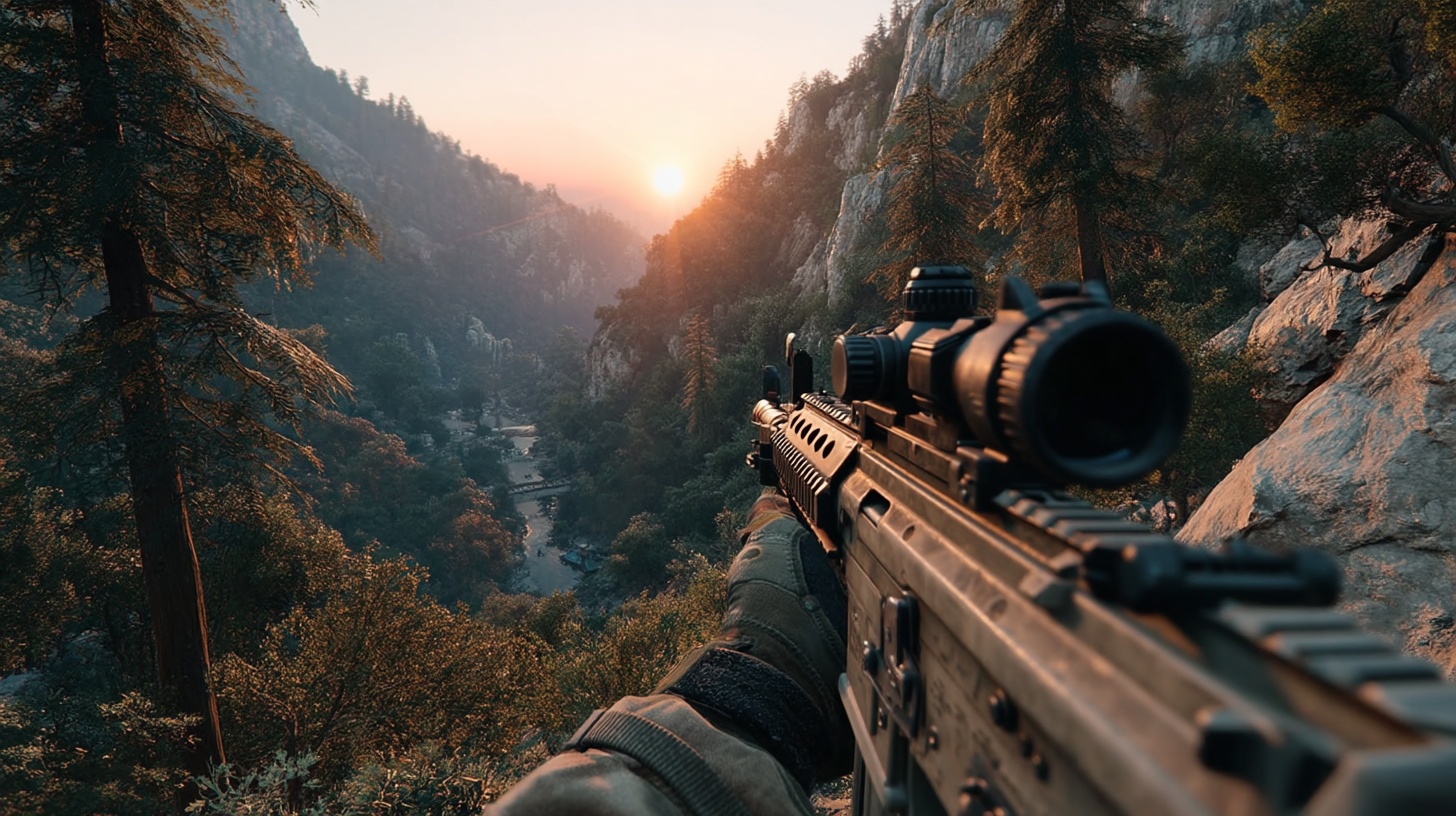
FPS games focus on gun-based combat from a first-person perspective. Players rely on fast reflexes for aiming, movement, and weapon handling. FPS games are a cornerstone of competitive multiplayer gaming.
13. Puzzle games
Puzzle games challenge logic, problem-solving, and pattern recognition. Completing puzzles offers a sense of achievement. Popular subgenres include physics-based puzzles, hidden object games, and match-three games.
14. Casual games
Casual games feature simple rules and mechanics designed for broad appeal. They are easy to pick up and play, regardless of skill, with short sessions perfect for mobile users.
15. Strategy games
Strategy games emphasize planning, resource management, and decision-making. They reward analysis, creativity, and long-term thinking over quick reflexes, offering deeply satisfying gameplay.